
The Role of Fan Attendance in MLB Revenue Generation
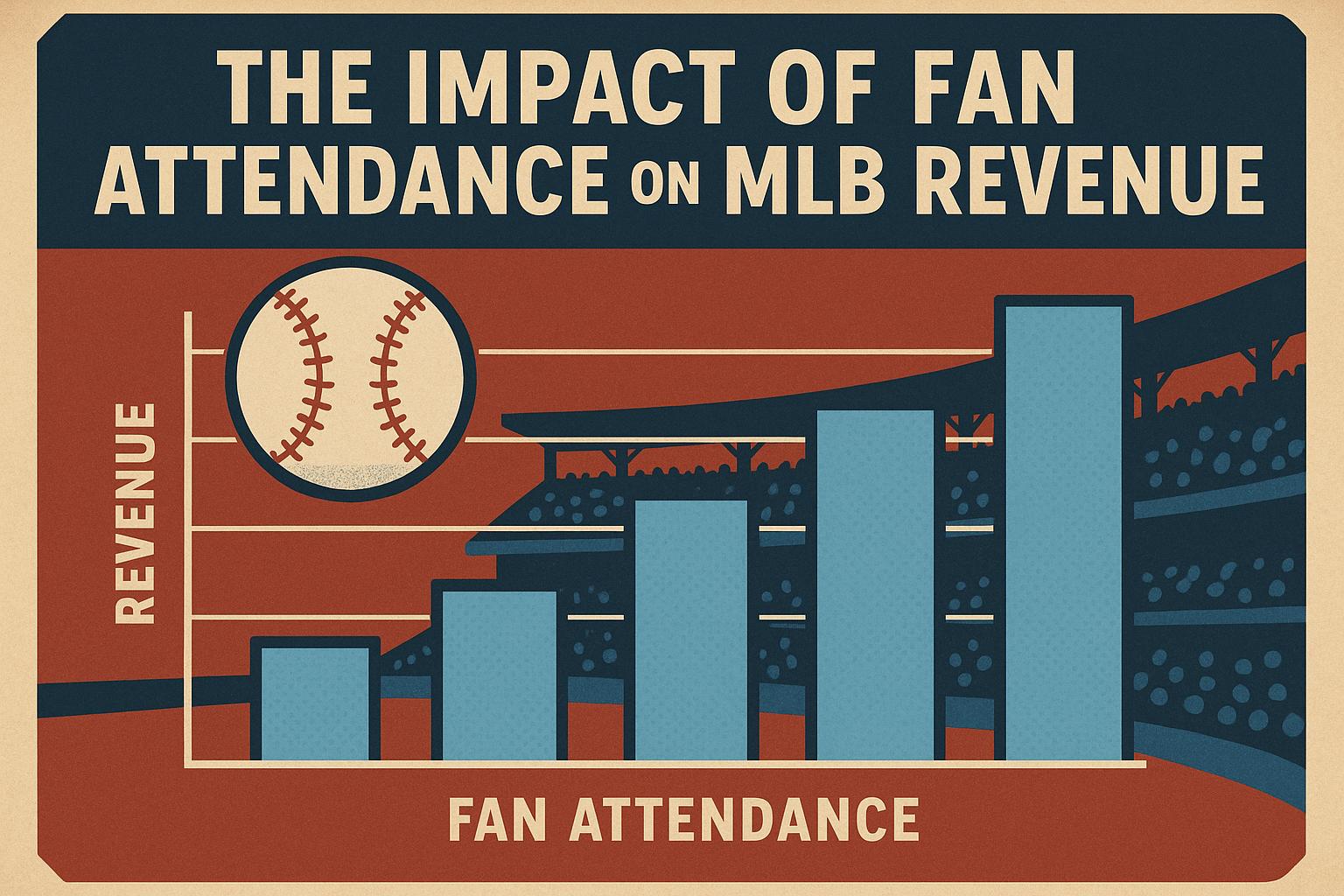
Major League Baseball (MLB) is a prominent sporting enterprise in the United States, with fan attendance playing a pivotal role in its revenue structure. The influence of fans extends beyond mere ticket sales; it affects a diverse array of revenue streams, including merchandise sales and sponsorships. Understanding the multifaceted impact of fan presence at games can help elucidate how MLB and its teams thrive economically.
Ticket Sales
The most apparent consequence of fan attendance manifests in ticket sales. The more fans attend games, the more ticket revenue is generated. Each MLB team hosts 81 home games throughout the regular season, offering ample chances to maximize ticket sales. Attendance figures can vary drastically from season to season, significantly affecting a team’s annual revenue. This attendance-related revenue is fundamental for the financial health of MLB franchises as it forms the backbone of their income.
Merchandising and Concessions
Another crucial area influenced by fan attendance is merchandising and concessions. Fans at games often purchase team apparel, memorabilia, and food and beverages, contributing significantly to a team’s revenue. Industry analyses indicate that sales per fan can vary, but together, these sales account for a substantial income stream. The allure of souvenirs and the atmosphere of live games often entice fans to spend, thus reinforcing the financial cycle that benefits teams.
Television and Broadcast Rights
While less direct, fan attendance impacts television and broadcast rights significantly. High attendance levels can enhance a team’s popularity, drawing television networks’ interest and resulting in lucrative deals. Broadcasting rights form a substantial revenue source for MLB and are partly linked with a team’s capability to attract fans to stadiums. A well-attended game not only validates a team’s popularity but also boosts its marketability, rendering broadcast rights a lucrative proposition for networks.
The Impact of the COVID-19 Pandemic
The advent of the COVID-19 pandemic highlighted the disruption in fan attendance and its repercussions on MLB revenue. During this period, games proceeded without live audiences, precipitating declines in ticket sales, in-stadium purchases, and related revenues. Reports showed that MLB teams endured significant financial losses due to these restrictions, underscoring the indispensable nature of fan presence for economic stability. The pandemic forced the league to rethink and recalibrate its strategies to mitigate losses during times when traditional revenue streams were compromised.
Sponsorships and Partnerships
An active and robust fan base generates greater interest from potential sponsors. Companies are more inclined to forge sponsorships and partnerships with teams that display high levels of engagement and attendance at their games. These partnerships not only furnish financial support but also enhance the team’s reputation and visibility in local and national markets. Effective sponsorship deals can provide teams with diverse revenue streams, fortifying their financial standing and facilitating further business opportunities.
Conclusion
In sum, fan attendance forms an essential part of MLB’s revenue model. From direct sales linked to ticketing and concessions to significant impacts on sponsorship and media rights, the presence of fans in stadiums is crucial to the economic success of franchises. While external influences such as global events may disrupt this equilibrium, teams and the league’s concerted efforts to amplify fan engagement can result in substantial revenue growth. For further insights into how MLB navigates its complex economic landscape, visiting MLB’s official website may provide additional valuable information.