Introduction
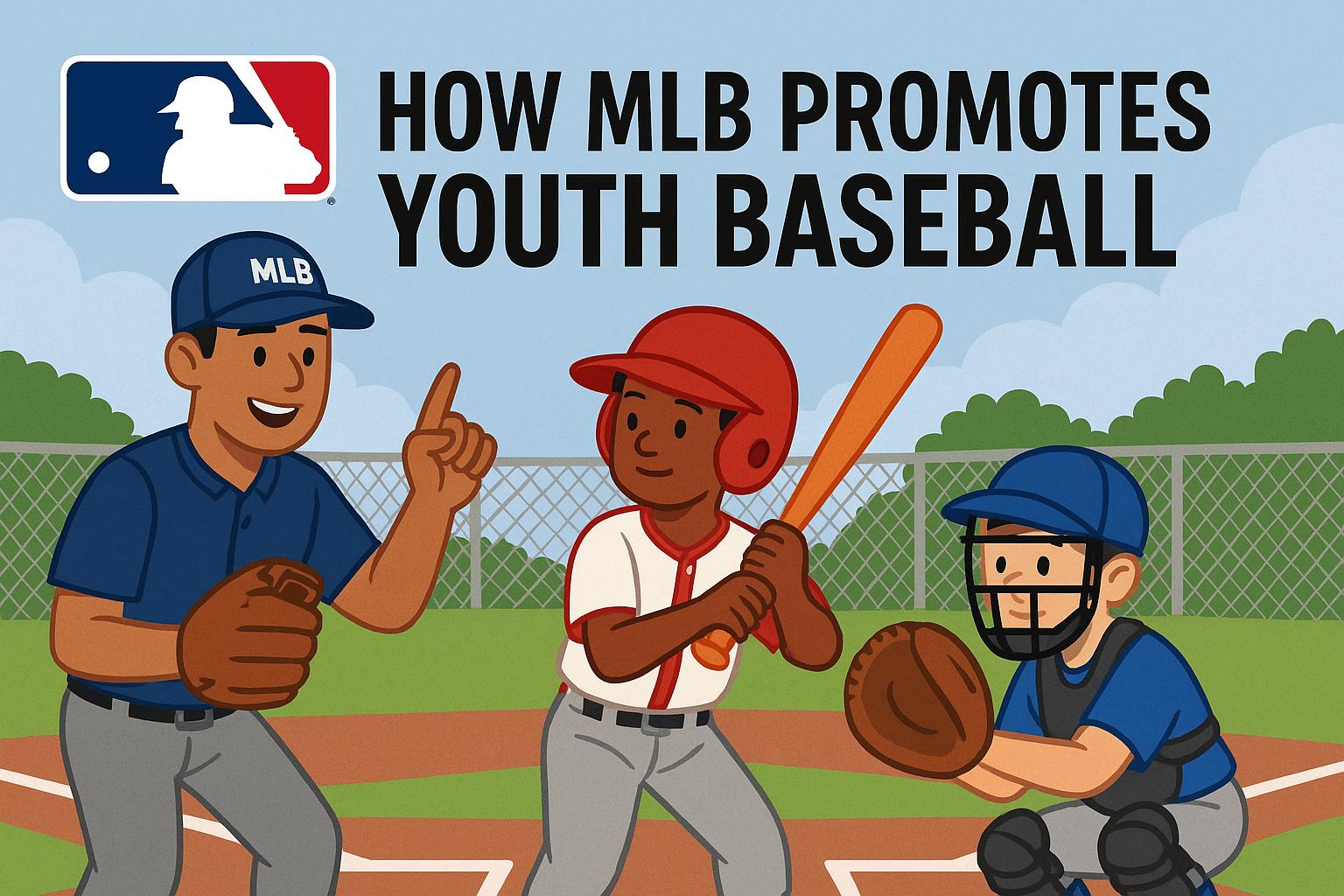
The development and promotion of youth baseball is a key strategic focus for Major League Baseball (MLB). Through a range of initiatives, MLB seeks to inspire the next generation of baseball players and fans. By investing in youth programs, the organization aims to increase accessibility, improve skills, and foster a lifelong passion for the sport. The following sections break down how MLB is working towards these goals through its various youth programs and initiatives.
Play Ball Initiative
The Play Ball initiative stands as one of the cornerstone programs by MLB to stimulate youth participation in baseball. Launched in collaboration with USA Baseball, the initiative offers various community-based events designed to engage kids in playing baseball and softball. Play Ball focuses on introducing the sport at the grassroots level, allowing children of all skill levels to participate in organized events that emphasize fun and learning. The structure of these events is inclusive, aiming to draw children into the sport, whether they are complete beginners or have some basic familiarity with the game.
More than just an introduction to the sport, Play Ball provides a comprehensive approach to making baseball accessible and enjoyable. The initiative holds events throughout the country, varying by region and school calendar, to ensure maximum participation. Besides, Play Ball distributes resource material to educators and community leaders, allowing them to host informal, low-pressure games that prioritize participation over competition. These materials often highlight basic tips, fun drills, and simple rules. More information about this initiative can be found on the official Play Ball website.
RBI Program
The MLB’s Reviving Baseball in Inner Cities (RBI) program specifically targets underserved communities to promote baseball and softball. With a dual focus on sports and academics, the RBI initiative provides opportunities for children who might otherwise lack access to playing facilities and equipment. The program operates in over 200 cities worldwide, broadening its reach and impact significantly.
RBI has a proven track record of not only bolstering kids’ interest in baseball but also supporting their academic endeavors. The intertwining of sports with academics pushes participants to strive for success both on the field and in their studies. The program includes mentoring and tutoring components to achieve this dual-purpose goal, stressing the importance of education in personal development. Furthermore, the RBI World Series, an annual event, channels the competition toward positive goals, acting as a culmination of the year’s efforts.
Skill Development and Training
MLB employs a variety of platforms to enhance the skills of young players. One such endeavor is the Pitch, Hit & Run competitions, which allow players at various levels to hone their abilities. These competitions, offered in local and national formats, present young athletes with an opportunity to experience baseball in both competitive and recreational settings.
These skill events cover basic fundamental skills—pitching, hitting, and running—and are designed to identify and encourage talent at an early age. Participants are not only evaluated on their skills but also receive feedback and guidance to help them improve. Competitions are structured to be age-appropriate and inclusive, thus nurturing a positive experience around the sport without the pressure of formal league commitments.
Educational Endeavors
Equally critical to MLB’s youth fostering initiatives are its educational endeavors. By partnering with schools, MLB integrates baseball into physical education curriculums, helping to cultivate interest and impart foundational knowledge about the game. This program not only grows familiarity with baseball’s technical skills but also shares its rich history and cultural significance, providing context and depth to young fans.
Courses designed for this purpose often include practical lessons on the field and comprehensive theoretical study in classrooms. This dual approach ensures that the educational experience is well-rounded and holistic. Besides these, MLB produces educational content that includes coaching manuals, video tutorials, and interactive learning modules suitable for a school environment.
Clinics and Camps
MLB conducts a host of clinics and camps that often bring together professional players and coaches to mentor young talents. These sessions focus on skill development, sportsmanship, and teamwork. What makes these clinics stand out is their unique blend of sports training coupled with character education. While participants benefit from seasoned players’ insights, they also learn valuable life skills through sport, making these sessions conducive to personal growth.
Skill-specific clinics are often structured to address the needs of beginner, intermediate, and advanced levels. Thereby, all participants get tailored coaching that suits their individual requirements, and small group settings ensure personalized attention.
Outreach and Accessibility
To make baseball more accessible, MLB invests significantly in infrastructure and resources that lower the barrier to entry for aspiring players. This often includes building community baseball facilities and providing essential equipment to schools and local organizations. Financial grants and support are made available to communities with the most need, ensuring that lack of resources is not a deterrent to kids playing baseball.
These community facilities serve as not just playing grounds but also community hubs where positive values and experiences are shared. By ensuring that fields are available and equipment is accessible, MLB is working diligently to eliminate socioeconomic barriers, thereby widening the platform for participation.
Technology Integration
In the digital era, MLB is leveraging technology to engage younger audiences. Digital platforms and online resources offer interactive, educational experiences that serve to build interest and expertise. These platforms not only generate interest in baseball but also provide guidance on playing techniques, tailored coaching tools, and comprehensive game rules.
Online video tutorials, interactive games, and virtual coaching apps represent just some of the ways MLB is bringing baseball to a younger audience. They serve as supplementary tools for learning and improve engagement outside traditional means. Digital initiatives help adapt the sport to modern lifestyles, delivering critical content wherever and whenever it is most convenient for young players and fans.
Conclusion
By focusing on both participation and educational aspects, MLB is actively promoting baseball among youth. These initiatives and programs play a pivotal role in ensuring the growth and sustainability of the sport, making it accessible to a wider audience, and fostering a new generation of players and fans. With continued focus and innovation, MLB endeavours to preserve the sport’s significance and ensure that baseball holds a special place in the hearts of future generations. More information on these programs can be found through MLB’s official resources and partnering organizations.