The Advent of Analytics in Major League Baseball
The incorporation of analytics in Major League Baseball (MLB) has dramatically transformed how teams approach various aspects of the game. One significant area where analytics has made a considerable impact is in defensive shifts. The idea of adjusting defensive player positions based on a batter’s tendencies has evolved with the advent of advanced data analytics.
Understanding Defensive Shifts
In traditional baseball strategy, defensive players are typically positioned in standard locations. However, with the introduction of detailed statistical data, teams have begun using defensive shifts to optimize player placement on the field. These shifts are primarily driven by an analysis of a batter’s hitting patterns, allowing teams to make data-driven decisions.
The Role of Analytics
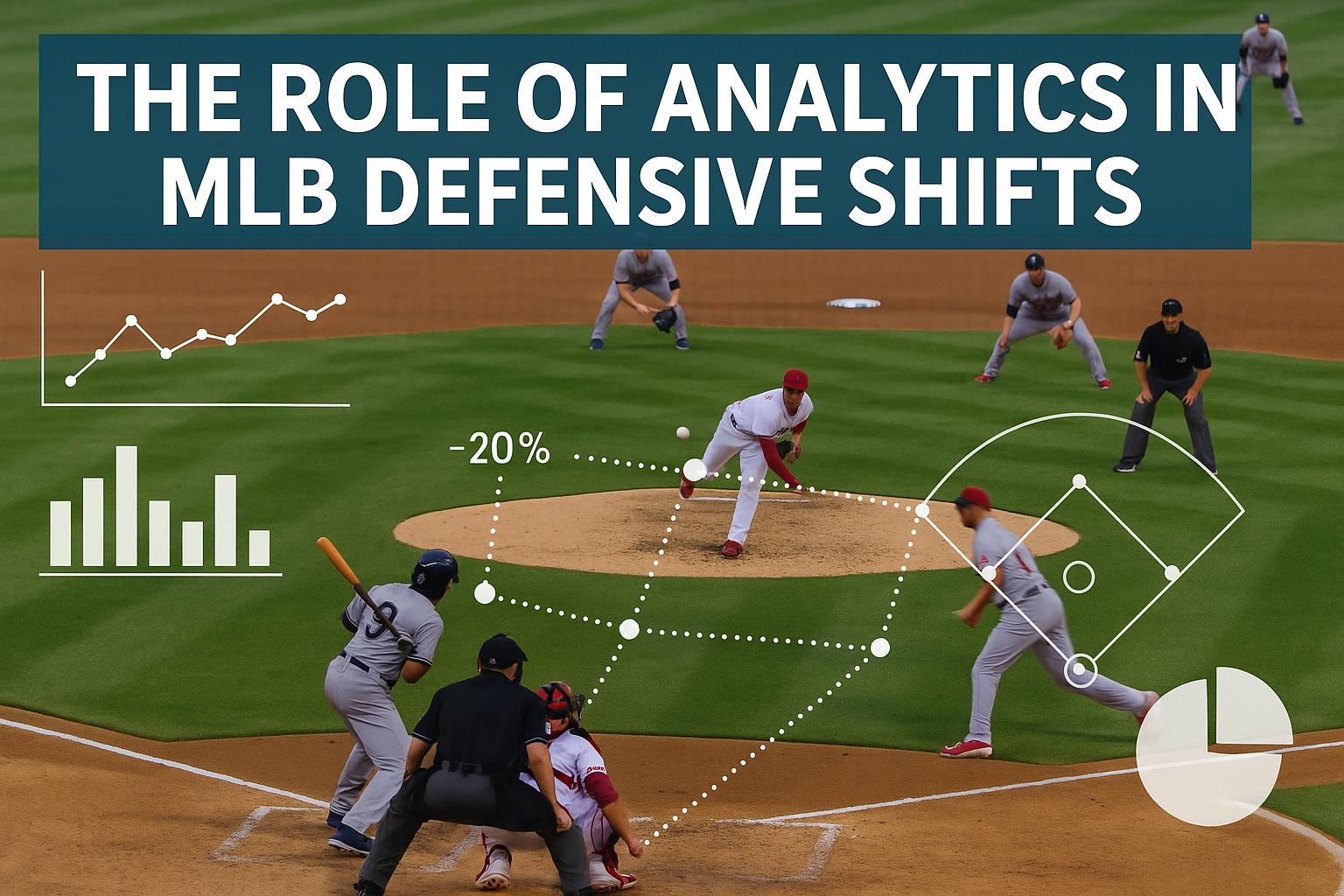
Analytics play a crucial role in the implementation of defensive shifts. Through the use of complex algorithms and large datasets, teams can identify trends and tendencies in a player’s performance. For instance, if a left-handed batter consistently hits the ball towards the right side of the field, the defensive team might shift more players to that side to increase the likelihood of an out.
The data utilized includes variables such as the batter’s past performance against specific pitch types, his success rate based on different game situations, and environmental factors like wind direction. Teams employ cutting-edge technology to analyze this data, creating heat maps and predictive models.
Impact on the Game
The use of defensive shifts, backed by analytics, has significantly affected how the game is played. It has influenced hitting strategies and forced batters to adapt and evolve. Some teams have seen a measurable decrease in offensive outputs when facing well-executed shifts, highlighting the strategic advantage that these analytics provide.
Moreover, defensive shifts have also stirred debates regarding their impact on the sport, with discussions about whether they detract from the traditional play style of baseball. Despite differing opinions, the effectiveness of analytics in shaping defensive strategies cannot be denied.
Continued Evolution
The reliance on analytics for defensive strategies is expected to grow as technology advances and data collection methods improve. As teams continue to refine their use of defensive shifts, we can anticipate even more sophisticated strategies in the future. For those interested in a deep dive into this trend, numerous resources and articles explore the topic in detail, such as ESPN’s coverage of analytics in baseball.
Analytics Beyond Defensive Shifts
While defensive shifts are a prominent example, analytics permeates other aspects of the game. From scouting reports to in-game decision-making, statistical analysis is now integral to a team’s strategy. Batting lineups, pitch selections, and player rotations are carefully crafted using data insights. This reliance on data extends to the health and performance management, where wearable technology and biomechanics provide insights into an athlete’s condition.
Changing Scouting Practices
Traditionally, scouting in baseball relied heavily on the intuition and experience of scouts who would watch players in person to assess their potential. Now, with the aid of technology, scouting has seen a paradigm shift. Advanced metrics provide a detailed picture of a player’s performance capability. Metrics such as launch angle and spin rate deliver a granular understanding of a player’s potential impact, transforming how players are evaluated at all levels, from the amateur draft to international scouting.
Impact on Team Management
Team management also leverages analytics to make crucial decisions regarding roster construction and player contracts. By analyzing player performance data over a range of conditions, teams can better project future performance and financial value. This application of analytics allows for more strategic decision-making concerning trades, free agency, and long-term player development contracts.
Technological Integration in Training
The training aspects of baseball have been revolutionized by analytics and technology. Players use video analysis tools to fine-tune their techniques. For instance, pitchers study footage to modify their pitching mechanics for superior efficiency and efficacy. Hitters can evaluate their swings using data from bat sensors and analyze data to enhance their performance on the field.
Criticism and Adaptation
Despite the evident advantages, the growing influence of analytics in baseball is subject to criticism. Purists lament the potential loss of the human element and instinct that traditionally defined team management. There’s concern that an over-reliance on data may reduce the more creative and spontaneous aspects of the game.
Nevertheless, the adaptation phase is underway. Some players incorporate analytical data into their routines, maintaining a balance between instinct and analytical evidence. Coaches are also evolving, learning to interpret data while keeping personal experience a central component of decision-making.
Analytics as a Fan Experience Enhancer
Analytics impact extends beyond teams and players to the fans, where it redefines how audiences experience the game. Sports broadcasters use advanced statistical insights to deliver more engaging storytelling during live broadcasts. Fans can access real-time statistics through digital platforms, which enhances their understanding and enjoyment of the game. Websites and mobile applications offer fans unprecedented access to an array of statistical data and predictive modeling for each game.
The Future of Analytics in Baseball
The future of analytics in baseball is likely to grow more intertwined with emerging technologies. Machine learning, artificial intelligence, and virtual reality are anticipated to play larger roles, revolutionizing everything from player development to fan interaction. These technologies will enable even more granular analysis, offering insights and strategies yet unfathomable.
In conclusion, analytics has become an indispensable tool in MLB, especially in the context of defensive shifts. By leveraging data to inform player positioning, teams have gained a competitive edge, transforming an age-old game into a battleground for technological innovation. The continuous evolution and application of analytics ensure that its role in baseball will only deepen, further intertwining with every aspect of the sport—from the field’s strategic decisions to the fan’s viewing experience.