
Seventh-Inning Stretch
The seventh-inning stretch is one of the most recognized traditions in Major League Baseball (MLB). It occurs in the middle of the seventh inning, where fans traditionally stand and stretch their legs. Often accompanied by the song “Take Me Out to the Ball Game,” this break allows fans to briefly relax and reinvigorate before the final innings. The exact origin of this tradition is unclear, but it has been a staple of baseball culture for decades.
History and Significance
The seventh-inning stretch is observed in nearly all ballparks, yet its precise beginnings are debated among enthusiasts and historians. Some suggest that it started in 1910 when President William Howard Taft stood up during a game, inadvertently causing other spectators to follow his lead. Others argue that the tradition began in the late 1800s, with anecdotal evidence pointing to various historical figures and fans. Regardless of its true origins, the tradition has persisted as an integral part of the game, offering fans a moment of engagement and solidarity. This pause in the game is more than a simple break; it represents a communal activity where everyone in attendance participates, enhancing the overall spirit and culture of baseball.
Home Run Celebrations
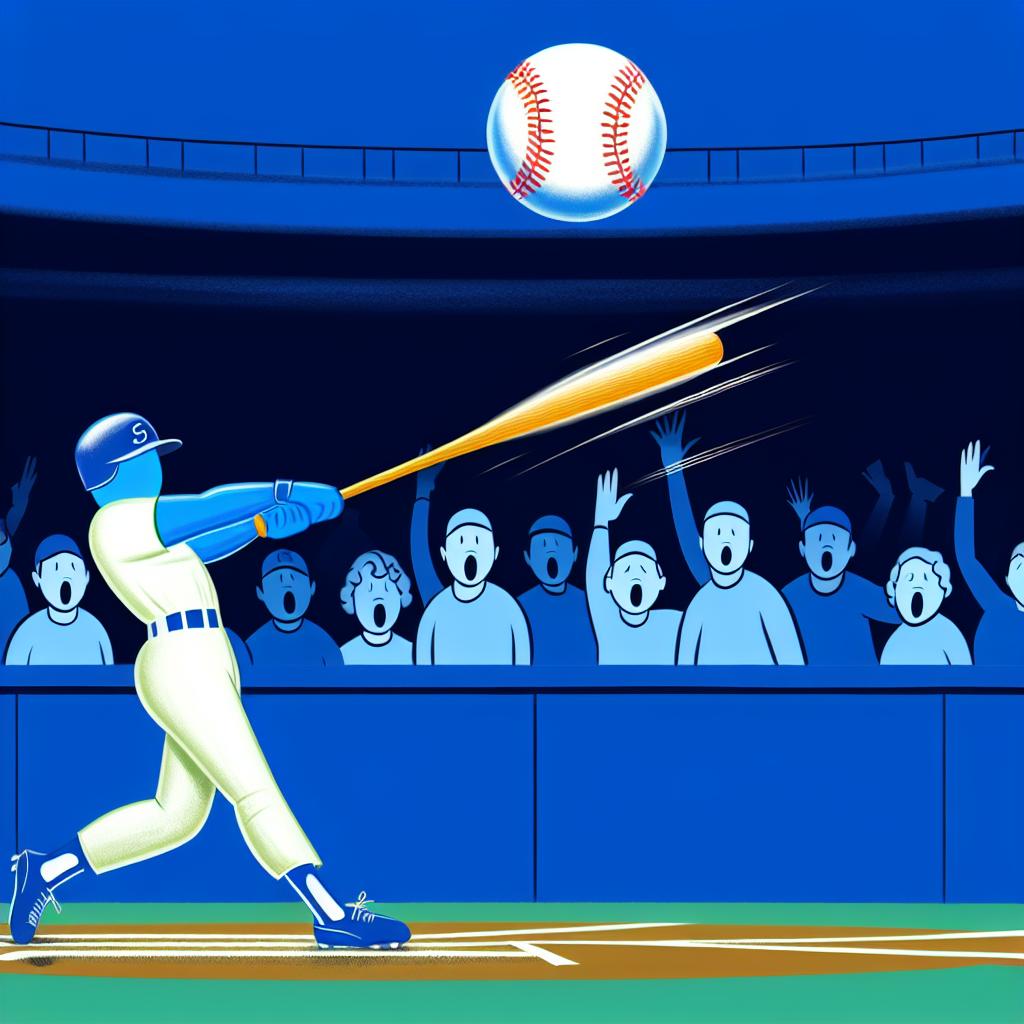
Home run celebrations serve as a significant facet of MLB’s culture, providing players an opportunity to express their excitement and revel in camaraderie. These celebrations can range from simple gestures, like a tip of the cap, to complex, choreographed routines. Notably, these celebrations have evolved over time, reflecting broader changes in the sport’s culture and the unique personalities of its players. Today’s celebrations sometimes incorporate elements of humor or creativity, embodying the evolving nature of baseball traditions and player interactions.
Famous Team Celebrations
Many teams have adopted specific traditions to mark home runs. The Milwaukee Brewers, for example, use a mascot slide—their character, Bernie Brewer, slides down whenever a home team player hits a home run. This playful element not only celebrates the achievement but also entertains fans, adding an element of fun and amusement to the game. Similarly, the New York Mets have devised a tradition involving an inflatable apple rising when a Mets player hits a home run. Such inventive celebrations enhance the fan experience, contributing to the unique identity of each team. These practices create memorable and exciting moments for both players and spectators, becoming an intrinsic part of the team’s culture and heritage.
No-Hitter Acknowledgment
A no-hitter is an exceptional achievement in baseball, occurring when a pitcher (or pitchers) prevents the opposing team from recording a single hit during a game. In MLB, there is an unwritten rule that during an ongoing no-hitter, players avoid discussing or directly acknowledging it. This tradition is rooted in superstition, with many believing that mentioning a no-hitter while it’s happening could jinx it. Despite the modern shift away from superstitions, many players still adhere to this custom, respecting its historical significance.
Post-Game Celebrations
After a no-hitter is completed, the celebration is typically extensive. Teammates often gather on the field to congratulate the pitcher, acknowledging the difficulty and skill required to achieve such a feat. Fans generally give a standing ovation, recognizing the rarity and significance of the event. In some cases, the pitcher might address the crowd, sharing their perspective on the achievement. These celebrations not only honor the player but also reinforce the community aspect of the game, where players, fans, and the team as a whole share in the triumph.
Walk-Off Wins
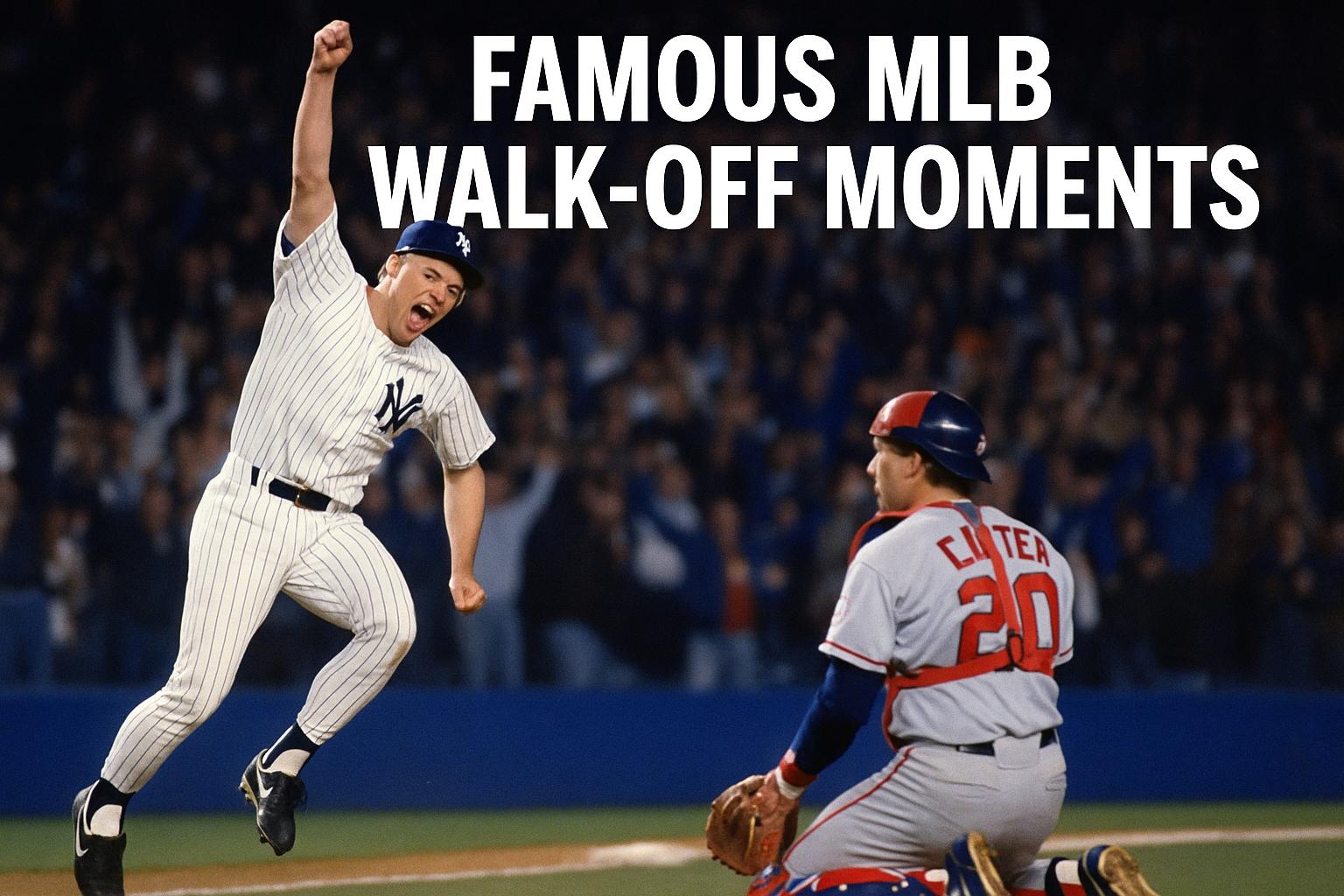
A walk-off win occurs when the home team scores a winning run in the game’s final inning. The term “walk-off” refers to the opposing team’s need to walk off the field, having no further opportunity to reclaim the lead. These victories tend to be celebrated with exuberant reactions, often involving the entire team rushing to home plate to congratulate the player who secured the win. Such moments create an electric atmosphere in the stadium, invigorating both players and fans with the thrill of a dramatic conclusion.
Iconic Walk-Off Moments
Walk-off wins are renowned for creating some of the most memorable moments in baseball history. Kirk Gibson’s dramatic walk-off home run in the 1988 World Series frequently stands out as one of the greatest moments in baseball lore. These remarkable events capture the highs of baseball, showcasing the unpredictable and thrilling nature of the game. Iconic walk-offs are etched into the memories of fans and chronicled as pivotal moments that exemplify the unpredictability and excitement intrinsic to the sport.
For expanded knowledge on these traditions and celebrations, baseball enthusiasts and researchers can explore various baseball-focused resources and publications for a more in-depth understanding. These sources often provide comprehensive insights into the cultural and historical significance of baseball customs, unveiling how they have shaped the game over time.