
The Early Origins of MLB Player Nicknames
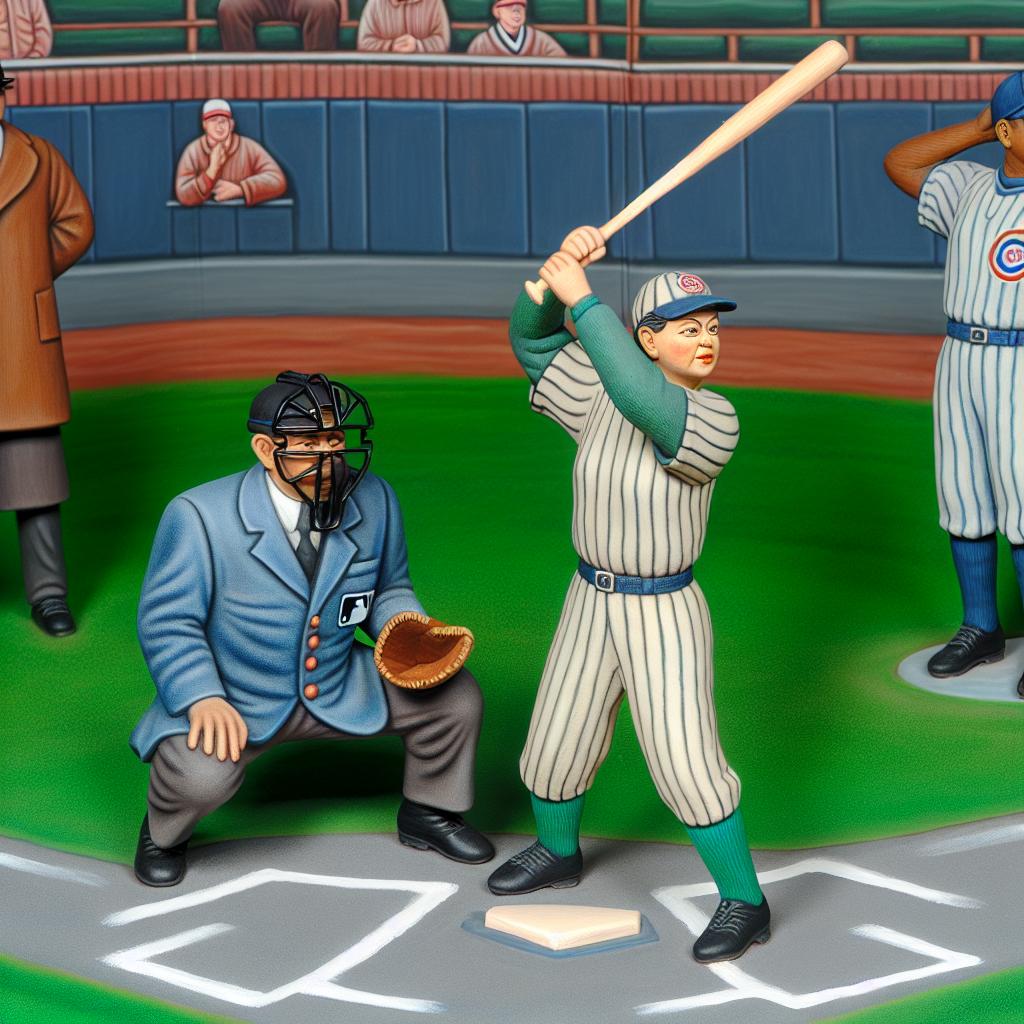
The use of nicknames in Major League Baseball (MLB) can be traced back to its 19th-century roots. During this early phase of American baseball, the sport was noted for its informal nature, and this informality extended to how players were referred to by fans, teammates, and the press. One of the most iconic figures in baseball history, George “Babe” Ruth, is a prime example of this early tradition. His nickname, “Babe,” was derived from his time in the minor leagues where he was recognized as a burgeoning young talent. This moniker stuck with him as he ascended to legendary status in the MLB, becoming one of the most celebrated players in baseball history.
The Golden Era of Nicknames
As the game progressed into the mid-20th century, baseball cemented its place as America’s pastime, and player nicknames became more prevalent and imaginative. This period, often regarded as the golden era of baseball, saw nicknames that often conveyed a player’s skills, distinctive personality, or even physical attributes. For example, Lawrence “Yogi” Berra received his memorable nickname from a friend who commented that his meditation-like poses resembled that of a Hindu yogi. This nickname grew to be as celebrated as Berra’s achievements with the New York Yankees and became an integral part of his identity.
Influence of Media
The advent of radio and television in the early and mid-20th century revolutionized baseball and, along with it, the dissemination of player nicknames. Broadcasters and commentators frequently used these monikers, introducing them to a wider audience across American households. A notable figure in this context was Mel Allen, a prominent broadcaster who played a key role in ingraining player nicknames into the vernacular during his broadcasting career. The use of nicknames in media broadcasts helped solidify these names in the public’s memory, where they have often endured long after the players’ careers ended.
Modern Day Nicknames
Although it may seem that modern-day baseball players do not often have nicknames that echo as dramatically as those of their predecessors, the tradition of assigning nicknames remains very much alive in the MLB. Contemporary players often acquire nicknames based on their performance, heritage, or even trends on social media. David “Big Papi” Ortiz, known for his impressive hitting and charismatic leadership with the Boston Red Sox, garnered a nickname that affectionately mirrors his welcoming personality and larger than life stature. In today’s digital age, social media platforms have significantly altered the way nicknames are created and disseminated, establishing a more interactive space for fans to engage with players and these informal identifiers.
Conclusion
The evolution of MLB player nicknames mirrors the broader historical and cultural changes within the sport of baseball. From its humble beginnings in the 19th century through the media-influenced narratives of the 20th and 21st centuries, nicknames have added a rich layer of storytelling and connection, bridging players and fans. This tradition, marked by the whimsical, insightful, and sometimes poignant nature of nicknames, continues to be an enduring characteristic of baseball’s charm and wider appeal. As MLB moves into the future, the custom of using nicknames is likely to adapt alongside emerging trends in both the sport and society at large, yet its core purpose—the building of a personal connection between players and their supporters—will remain unchanged.