The Evolution of Sabermetrics in Major League Baseball
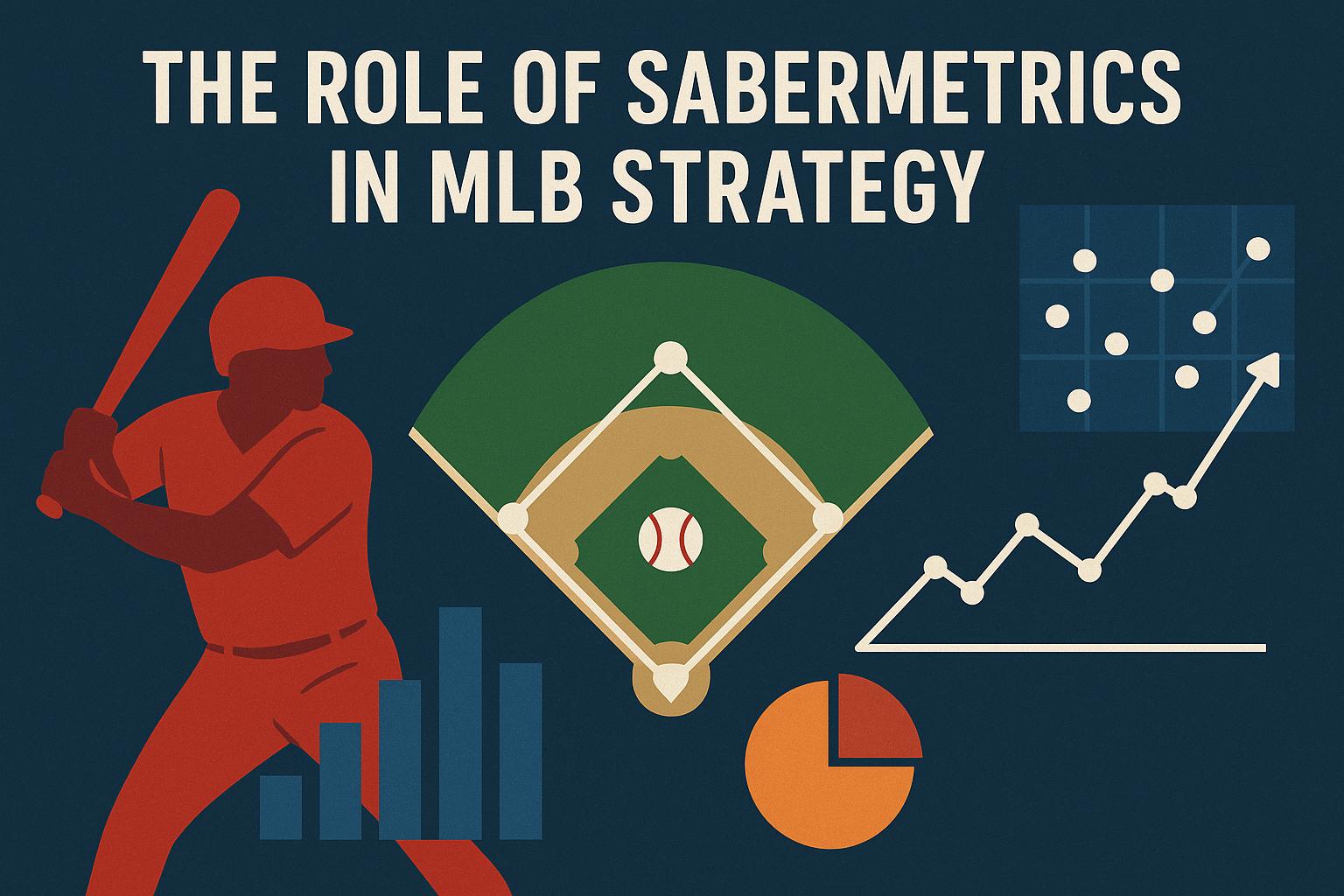
Sabermetrics has fundamentally transformed the landscape of Major League Baseball (MLB) by introducing a more data-driven approach to evaluating player performance and making strategic decisions. Introduced by Bill James in the 1980s, sabermetrics uses statistical analysis to challenge traditional baseball metrics, initiating a paradigm shift in how the game is viewed and played.
Understanding Sabermetrics
Sabermetrics, a portmanteau of “SABR” (Society for American Baseball Research) and “metrics,” offers an advanced analytical framework that allows teams to scrutinize player performance beyond the basic statistics like batting averages and home runs. For those interested in a more profound understanding of sabermetrics, further reading can be found at the Society for American Baseball Research.
Key Metrics in Sabermetrics
The core of sabermetrics lies in its unique metrics, which have become essential for evaluating players in the modern era:
WAR (Wins Above Replacement): This comprehensive metric assesses a player’s total contribution to their team compared to a theoretical replacement-level player. It encompasses various facets of performance, providing a singular number to gauge a player’s overall impact.
OPS (On-base Plus Slugging): By merging a player’s ability to reach base with their power-hitting ability, OPS offers a more nuanced picture of offensive effectiveness. It combines on-base percentage (OBP) and slugging percentage (SLG) to create a singular view of a player’s offensive production.
FIP (Fielding Independent Pitching): FIP focuses on what the pitcher can control, such as strikeouts, walks, and home runs, effectively removing the influence of team defense from the assessment of their performance. This leads to a purer evaluation of a pitcher’s skills and effectiveness.
Impact on Team Strategy
The influence of sabermetrics on MLB strategies has been profound, affecting decisions at every level of the game. Teams have increasingly turned to these data models to enhance their lineup optimization, defensive alignments, and bullpen strategies.
For example, defensive shifts that realign fielders based on hitter tendencies have become a common practice, directly contributing to a decrease in league-wide batting averages on balls in play. These strategic adjustments demonstrate how sabermetrics can directly influence game outcomes.
Additionally, sabermetrics significantly impact player acquisitions, guiding teams to identify and target undervalued players who might be overlooked when relying solely on traditional statistics. The Oakland Athletics famously exemplified this approach with their “Moneyball” strategy, using sabermetric analysis to build a competitive roster within the constraints of a limited budget. This not only affected how small-market teams approached building competitive rosters but also challenged larger teams to adapt their strategies.
Challenges and Criticisms
Despite the many advantages that sabermetrics offers, it has faced criticism from purists who argue that it detracts from the “human element” of baseball. Critics assert that relying heavily on data analytics may overshadow player intuition and the personal flair that has historically defined the sport.
Moreover, for some fans and traditionalists, the intricate nature of advanced statistics can be daunting and potentially alienating. This complexity might create a divide between those who appreciate the traditional narratives of baseball and those who embrace a data-focused perspective. The debate between traditionalists and sabermetricians is one that continues to evolve, highlighting a tension between established norms and modern methodologies.
The Role of Technology
As technology advances, so too does the capability for deeper and more varied sabermetric analysis. Modern data collection tools, such as high-speed cameras and radar equipment, are now commonplace in stadiums, collecting a vast array of data points per game. This data enables even more sophisticated models of analysis, allowing teams to make finely tuned adjustments in almost every aspect of the game.
The next frontier of sabermetrics could involve artificial intelligence and machine learning, which have the potential to revolutionize predictive modeling and player development further. By harnessing these technologies, teams can continue to push the boundaries of what is possible through data analysis. As these methods develop, the competitive edge provided by sabermetrics is set to be more pronounced, pushing teams to adopt new technologies to stay ahead.
Conclusion
The role of sabermetrics in MLB has grown undeniably over the years, leading to a revolution in how everything from player development to in-game tactics is addressed. While sabermetrics faces criticism for perhaps overshadowing the traditional, emotional elements of baseball, its impact on game strategy and player evaluation continues to be significant.
The integration of data analysis into baseball has provided teams with unprecedented insights, guiding them to improve performance, make smarter strategic decisions, and maintain competitive balance. As both the sport and technology evolve, the deployment of sabermetrics is likely to expand, affording teams further competitive advantages and deeper insights into the game. This symbiotic relationship between technology and baseball analytics ensures that sabermetrics will remain a vital component of baseball’s future, pushing the boundaries of how we understand and appreciate this timeless sport.