Spring Training Overview
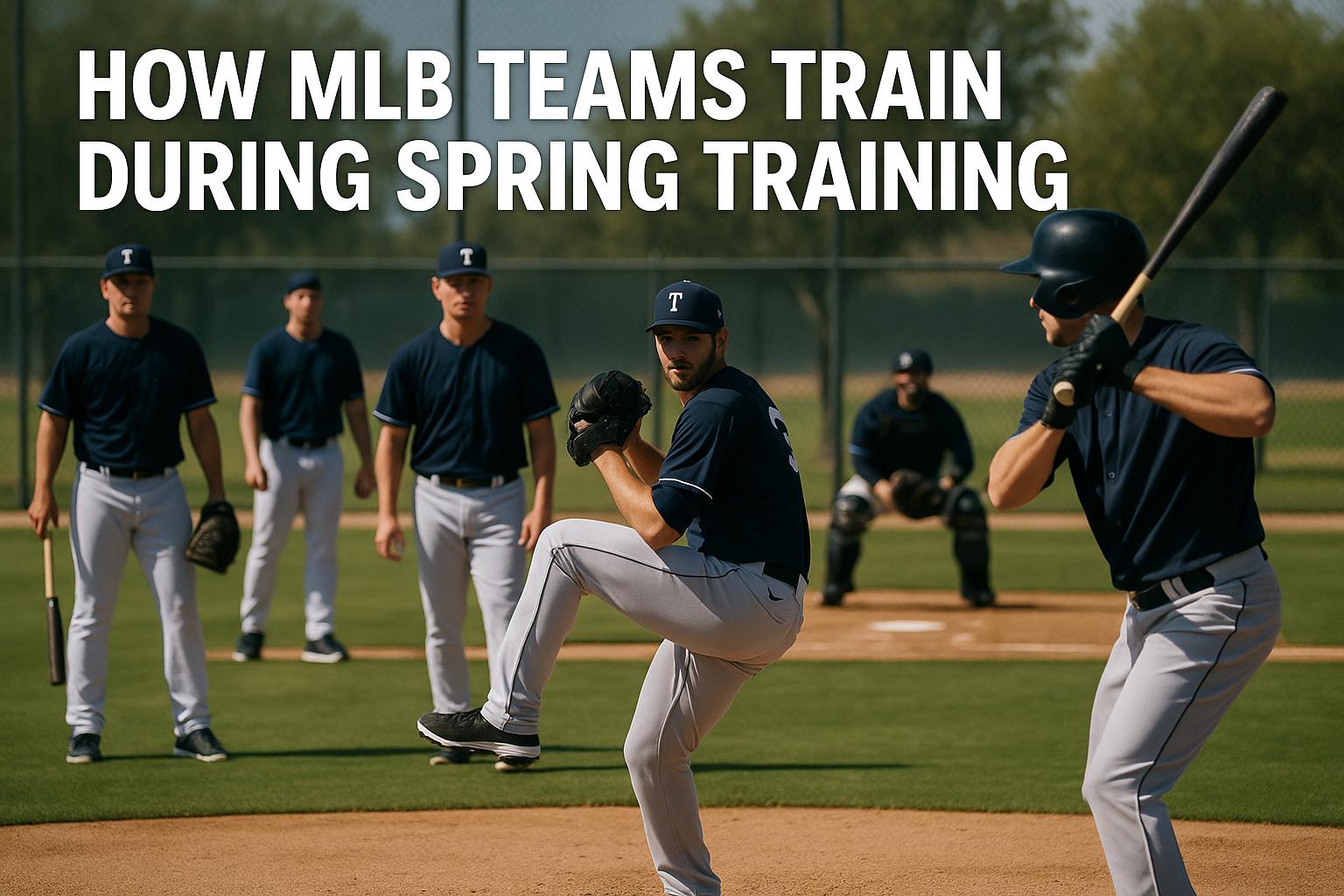
Spring training serves as an essential period in the Major League Baseball (MLB) calendar, acting as a preparatory stage for teams as they gear up for the season ahead. Taking place from late February through March, this phase is crucial for both players and coaching staffs, as it offers a platform to evaluate talent, refine skills, and condition athletes for the rigors of a demanding 162-game regular season.
Location and Duration
MLB sets its spring training logs in two key locations: Florida and Arizona. Teams in these states get grouped into what is traditionally known as the Grapefruit League and the Cactus League. Thanks to the favorable weather, these locations provide ideal conditions for outdoor training sessions. The entire phase spans about six weeks, granting teams adequate time to focus on various preparatory facets ahead of opening day.
Training Objectives
During this phase, various teams aim to achieve specific objectives, which significantly contribute to their overall performance in the upcoming season:
Skill Refinement: Players actively engage in honing their skills across diverse aspects of the game. This includes focusing individually on abilities such as batting, fielding, and pitching, all of which are indispensable in competitive settings.
Physical Conditioning: To ensure players are in optimal physical shape, an emphasis is placed on physical fitness. Athletes partake in activities such as strength training and cardiovascular exercises. Numerous drills also aim to enhance their agility and overall physical prowess.
Team Dynamics: Spring training equally serves as a context to forge team chemistry. New players join forces with established team members, allowing for the formation of bonds and unity. Coaches take this opportunity to establish a cohesive team strategy that could play a vital role throughout the season.
Training Activities
Daily activities in spring training strike a balance between physical training, practice games, and educational sessions:
Batting Practice: This activity goes a long way in improving players’ hand-eye coordination and perfecting their hitting mechanics, thus boosting their performance at the plate.
Fielding Drills: These drills are designed to focus intensely on defensive skills, ensuring players can catch and throw with precision.
Bullpen Sessions: In these sessions, pitchers engage in exercises tailored to improve pitch accuracy. This also presents an opportunity for modifying and trying out new pitching techniques.
Simulated Games: The nature of these games allows players to apply skills learned in various drills under competitive conditions. This helps in bridging practice routines and real-game scenarios.
Evaluating Performance
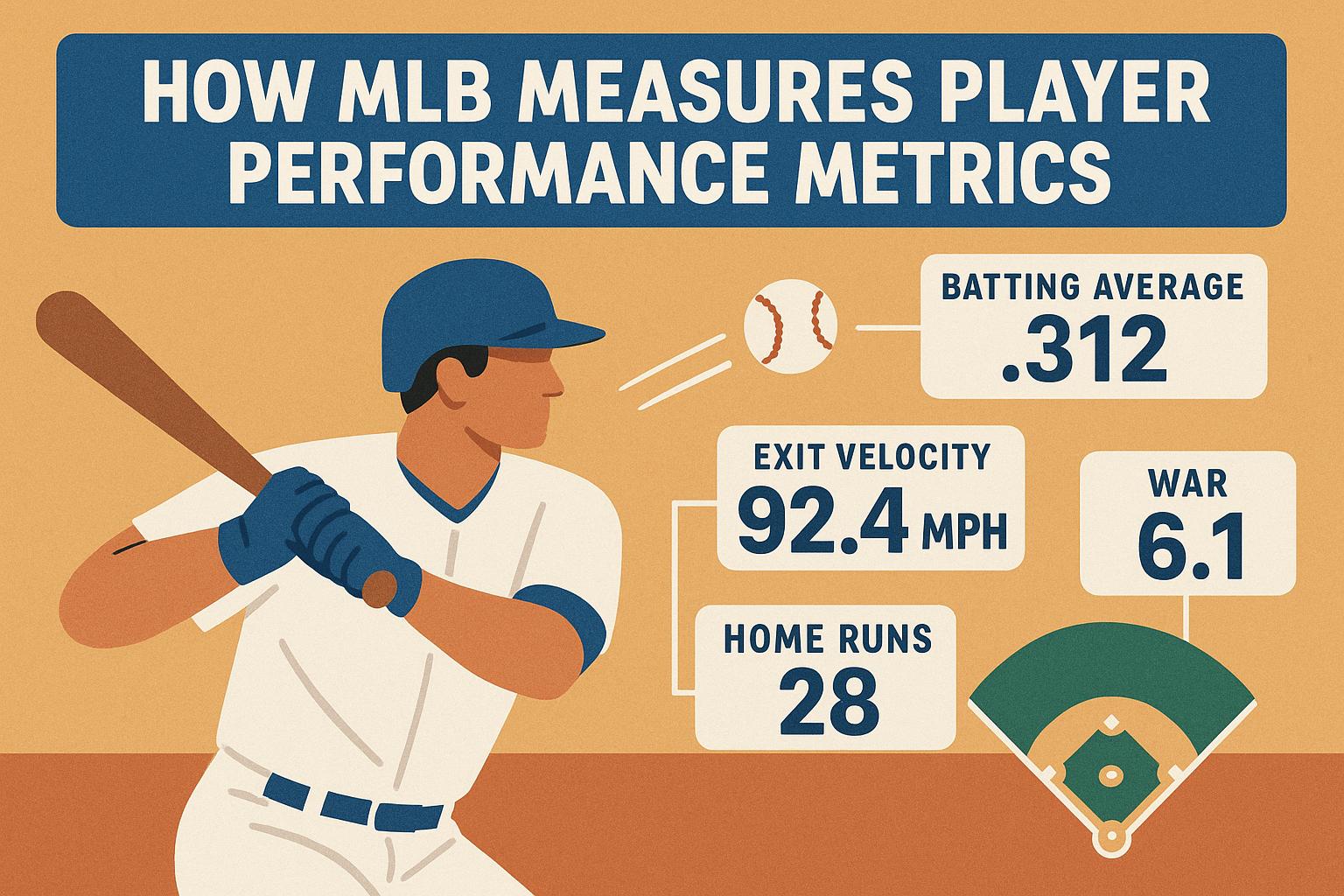
Performance evaluation reigns as a hallmark of spring training. Coaching staffs and team managers employ various techniques to assess players’ progress. This includes examining objective metrics, such as statistical outputs from simulated games, alongside more subjective analyses like observing players’ attitudes, adaptability, and overall game acumen.
In conclusion, spring training is pivotal for MLB teams. It establishes a groundwork towards a successful season through targeted efforts in skill enhancement, physical conditioning, and team building. Individuals seeking further insights can find more elaborate information via MLB’s official resources, which are readily accessible at MLB.com.